
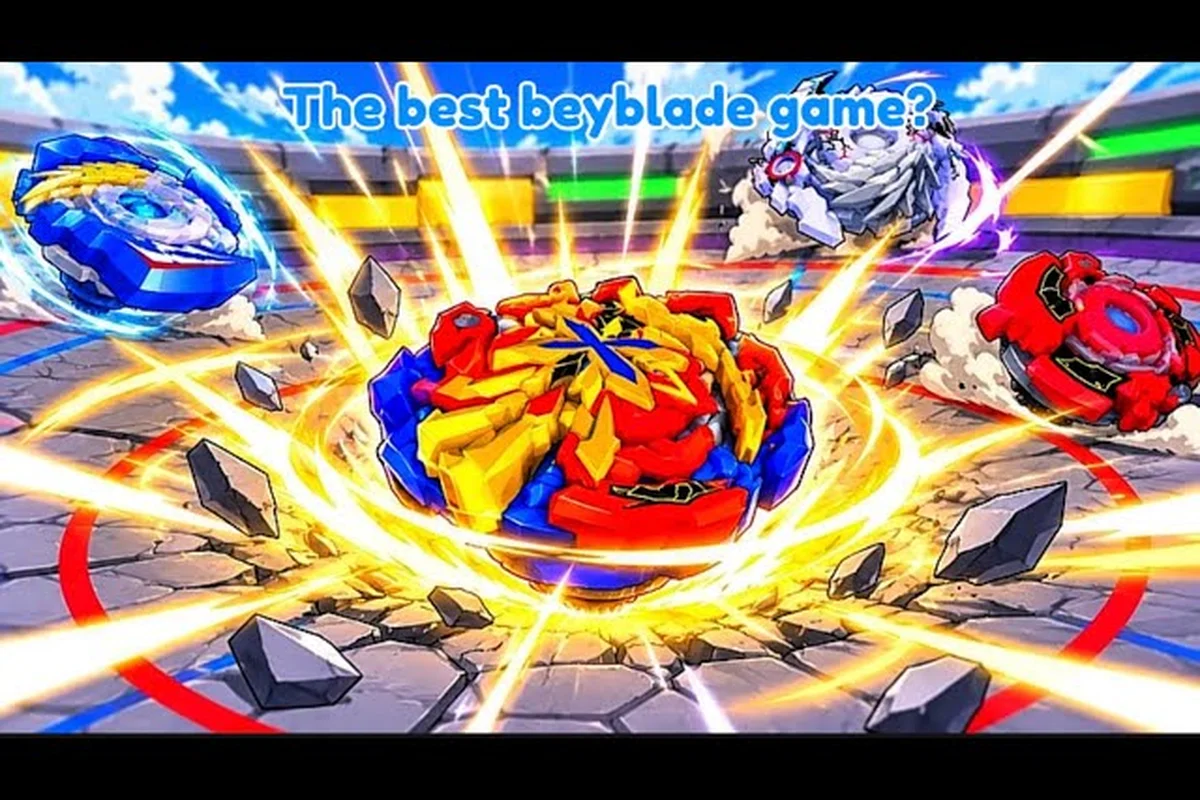
Picking the right Bey Rivals best starter bey decides how smooth your first week feels, because your opening build sets your launch habits, stamina ceiling, and win rate before ranked even opens. This guide walks new bladers through what actually matters when choosing a first bey, how to test it cheaply, and how to win early battles without wasting Spin Tickets.
What Makes a Bey a Good Starter Pick
A strong starter bey is not the flashiest one on the banner — it is the one that forgives mistakes while you learn launch timing. Since Bey Rivals is a Roblox battle game by BBR Productions where beys burst-pop or ring out to lose a clash, beginners benefit most from builds that survive longer and stay in the arena. Community reports consistently point new players toward Balance and Stamina parts first, because those keep your bey spinning while you figure out the controls.
The game launched in the October 2026 window, and the meta already shifts with frequent balance patches. That means chasing the current top-tier pull as a brand-new account is a losing race. Instead, aim for a first bey that teaches fundamentals: controlled launches, stamina management, and reading the opponent before the first drop.
Four part types define your early build, and each one teaches a different fundamental. Attack parts reward aggressive launch timing but drain stamina fast, so a mistimed ripcord leaves you burst-pop vulnerable. Defense parts are beginner-friendly for positioning and survival, yet slow to close out ring-out wins. Stamina parts build patience and spin control at the cost of low burst pressure. Balance parts sit highest for new accounts because no single stat punishes experimentation — you can play aggressive one match and defensive the next without rebuilding.
| Part Type | Beginner Friendliness | What It Teaches | Main Risk |
|---|---|---|---|
| Attack | Medium | Aggressive launch timing | Burns stamina fast |
| Defense | High | Positioning and survival | Slow to close rounds |
| Stamina | High | Patience and spin control | Low burst pressure |
| Balance | Highest | All-round fundamentals | No single standout stat |
Balance sits at the top for most first accounts because it does not punish you for experimenting. You can lean aggressive in one match and defensive in the next without rebuilding from scratch, which matters when your part collection is still tiny.
Why Balance Beats Raw Power Early
New bladers often assume the strongest-looking bey wins. In practice, the clash rules reward whoever stays spinning and keeps position. A Balance loadout gives you enough Attack pressure to threaten a ring out while retaining the Stamina to outlast NPC opponents. That flexibility is worth more than a single inflated stat, especially before you understand how surnames and traits modify your throw.
Your First Bey: Step-by-Step Setup
Getting a competitive first bey is a short sequence, not a grind. The community-recommended path keeps you from spending resources before you understand the economy. Bey Points (BP) are the main currency, while Spin Tickets, Lucky Spins, and Soul Tickets feed the part-rolling loop — so every early decision should protect those tickets.
Follow this exact order to turn a fresh account into a functional starter bey without wasting resources. First, join the BBR Productions group — it is public and gates most in-game code redemptions, so skipping it locks you out of free Spin Tickets. Second, clear the tutorial: it unlocks the Shop and hands you your first batch of Spin Tickets. Third, redeem every live starter code from the Shop's Codes tab before spending anything. Fourth, roll parts on the current banner with those tickets rather than hoarding them. Fifth, farm NPC arena battles to practice launch timing against predictable opponents. Sixth, keep any Balance or Stamina parts you pull — they anchor a forgiving beginner build while you learn stamina management.
-
Join the BBR Productions group — it is public and required before redeeming most in-game codes.
-
Finish the tutorial — it unlocks the Shop and grants your first Spin Tickets.
-
Redeem starter codes — open the Shop, go to the Codes tab, and claim what is live as of 2026-10-26.
-
Roll parts on the current banner — spend your first tickets here rather than hoarding.
-
Battle NPCs in the arena — practice launches against easy enemies before touching PvP.
-
Keep Balance or Stamina parts — these form the backbone of a forgiving starter build.
That sequence mirrors what most beginner videos recommend: learn launch timing and stamina management before dumping Lucky Spins into banners. If you want a deeper walkthrough of the very first hour, the beginner guide covers points, controls, and early progression in more detail.
Reading Your First Pull
When your first banner spin lands, do not judge it by rarity alone. Check whether the parts fit a role you can actually pilot. A high-rarity Attack part on a shaky launch is worse than a common Balance part you can control. Community data suggests keeping early parts that slot into a Balance or Stamina build, then refining your loadout once you have a few wins under your belt.
Beginner Beys Compared by Role
Once you have a few parts, the question shifts from "which single bey" to "which role fits my hands." Beginner beys generally fall into the four part-type families, and each one changes how you approach a clash. The table below maps each role to the playstyle it rewards, so you can match a build to your instincts instead of copying a stranger's loadout.
| Role | Best For | Launch Style | Early-Game Verdict |
|---|---|---|---|
| Attack | Players who love pressure | Fast, angled drops | Fun but unforgiving |
| Defense | Careful, patient players | Centered, stable drops | Safe learning pick |
| Stamina | Methodical players | Soft, controlled drops | Great for outlasting NPCs |
| Balance | Most new accounts | Adaptive drops | Best all-round starter |
If you enjoy trading hits and pushing for ring outs, an Attack-leaning Balance build keeps the aggression without the stamina cliff. If you prefer to outlast opponents, a Stamina core with a defensive surname is the calmer route. Either way, your first bey should match how you naturally react under pressure, because launch timing is a reflex you build through repetition.
Matching Surnames and Traits
Surnames and traits add throw-type modifiers and stat buffs, and they are easy to overlook when you are new. A surname that reinforces your chosen role makes a modest build punch above its weight, while a mismatched trait can quietly waste a good part. Before locking in a starter bey, check that your surname supports the same plan your parts do — consistency beats scattered bonuses.
How to Win Battles for Beginners
Winning early clashes is less about raw stats and more about three habits: a repeatable launch, stamina discipline, and reading your opponent. The burst-style rules mean a bey that burst-pops or gets knocked out loses, so survival is the whole game. New players who treat every match as a damage race usually ring themselves out first.
Build these habits in order, because each one compounds on the last: a repeatable launch gives you a stable baseline, stamina discipline keeps that baseline alive into the final seconds, and opponent reading tells you when to spend the spin you saved. For example, a Defense-type starter like Wizard Rod survives early aggression precisely because its stamina holds while an Attack-type burns out chasing a ring out it never lands — so drilling one launch angle before adding variation mirrors how a balanced starter bey wins by outlasting rather than out-hitting.
-
Practice one launch angle until it lands consistently, then vary it deliberately.
-
Watch the opponent's first drop and note whether they favor aggression or patience.
-
Protect your stamina early so you still have spin left in the final seconds.
-
Push for ring outs only when you have a clear positional edge.
-
Lose to NPCs on purpose to test risky launches without ranked consequences.
The battles explained breakdown digs into launch mechanics, burst timing, and arena positioning if you want the full picture. For now, the takeaway is simple: consistency wins more beginner matches than any single overpowered part. That's why the best starter bey for most new players is a Defense-type like Wizard Rod rather than a high-damage Attack-type — its stamina pool lets a clean launch angle carry you through the final seconds, when Attack-types have already burned their spin chasing ring outs. Track your win rate across ten matches with one fixed launch before swapping parts; if you're losing more than half to burst-pops, the problem is your launch routine, not your build.
A Simple Practice Routine
Spend your first few sessions running the same launch against easy arena enemies. Repeat it until the drop feels automatic, then introduce one small variation — a slight angle change or a softer release — and observe how the bey reacts. This deliberate loop builds the muscle memory that later lets you counter specific opponents, and it costs nothing but time.
Spending Resources Without Wasting Them
The fastest way to stall your progress is to burn tickets on the wrong banner. Since the meta shifts with patches, early spending should prioritize flexibility over chasing a single headline pull. Community guidance is consistent here: roll on the current banner with your starter tickets, keep parts that fit your role, and hold the rest until you understand what your build is missing.
| Resource | Best Early Use | Avoid |
|---|---|---|
| Bey Points (BP) | First banner spin, core upgrades | Random impulse buys |
| Spin Tickets | Current banner rolls | Hoarding until expiry |
| Lucky Spins | After you know your role | Blind spending on day one |
| Soul Tickets | Collection building later | Early over-investment |
Managing duplicates matters too, because a cluttered inventory hides the parts you actually need. Learning how to switch beys and handle extras keeps your loadout readable, and the inventory guide explains duplicate handling and autosell rules. Treat your first week as a scouting phase: gather, test, and only then commit resources to a direction.
When to Commit to a Build
Commit once you can reliably win NPC matches and you know which role feels natural. At that point, funnel BP into upgrading your core parts rather than spreading thin across every shiny pull. A focused starter bey that you understand deeply will outperform a scattered collection every time, especially as you climb toward ranked play.
Early Blunders New Bladers Make
Most beginner setbacks trace back to a handful of predictable errors. Recognizing them early saves tickets and frustration, because each one compounds if left uncorrected. The list below reflects what community guides and player reports flag most often for new accounts.
-
Chasing rarity over fit — a mismatched high-rarity part underperforms a common one you can pilot.
-
Ignoring launch timing — reflexes matter more than stats in the first weeks.
-
Overspending on the first banner — keep reserves for when you know your gaps.
-
Skipping the group and codes — free rewards vanish if you never claim them.
-
Jumping into ranked too early — NPC practice builds the habits ranked punishes you for lacking.
Each mistake is cheap to fix now and expensive to fix later. If your first bey feels weak, the problem is usually the pilot, not the parts — tighten your launch and stamina discipline before blaming the build. Players who slow down and drill fundamentals consistently report smoother climbs than those who keep swapping loadouts hoping for a shortcut.
Frequently Asked Questions
What is the best starter bey for a new account?
A Balance build is the safest first bey because it teaches launch timing, positioning, and stamina control without punishing experimentation. Community guidance favors Balance or Stamina parts for beginners, since surviving longer in the arena matters more than raw burst pressure while you learn the controls.
How do I get my first bey without spending money?
Join the BBR Productions group, finish the tutorial to unlock the Shop, and redeem live starter codes in the Codes tab. Your first Spin Tickets come from the tutorial, so rolling the current banner with those free tickets gives you a working starter bey at no cost.
How do I win battles as a beginner?
Practice one consistent launch angle, protect your stamina early, and read your opponent's first drop before committing to aggression. Because a bey that burst-pops or rings out loses, survival beats damage racing. Drilling these habits against NPCs first builds the reflexes ranked play later demands.
Should I spend Lucky Spins right away?
No. Hold Lucky Spins until you understand which role fits your hands and where your build has gaps. Spending them on day one often locks you into parts that do not match your playstyle, while waiting lets you target the banner rolls that actually complete your starter bey.
How long before I should try ranked?
Move to ranked once you can reliably win NPC arena matches and your launch feels automatic. There is no official threshold published, but community advice centers on mastering launch timing and stamina management first, since ranked opponents punish inconsistent drops far harder than practice enemies do.
Choosing a starter bey in Bey Rivals comes down to fit over flash. A Balance or Stamina core, a repeatable launch, and disciplined ticket spending will carry you further than any single high-rarity pull, because the fundamentals you build in your first week shape every clash that follows.